Impact Story
🌍 No Child Should Be Left Behind: Building an Equal Education System for All
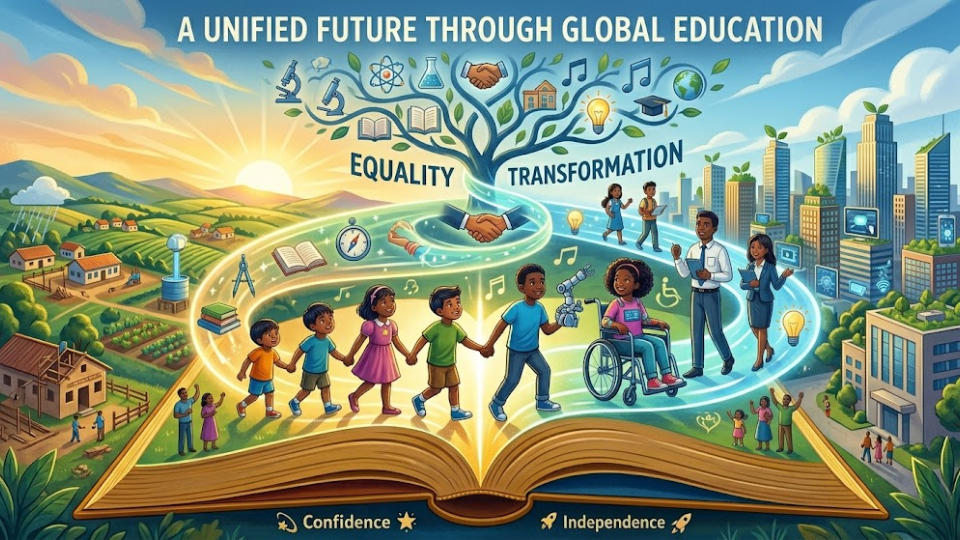
✨ Introduction: Education Is a Right, Not a Privilege
Every child enters the world with dreams hidden inside their heart. Some dream of becoming doctors 👨⚕️, scientists 🔬, teachers 👩🏫, artists 🎨, engineers 👨💻, athletes ⚽, or leaders 🌟. Yet millions of children around the world never receive equal opportunities to learn, grow, and succeed.
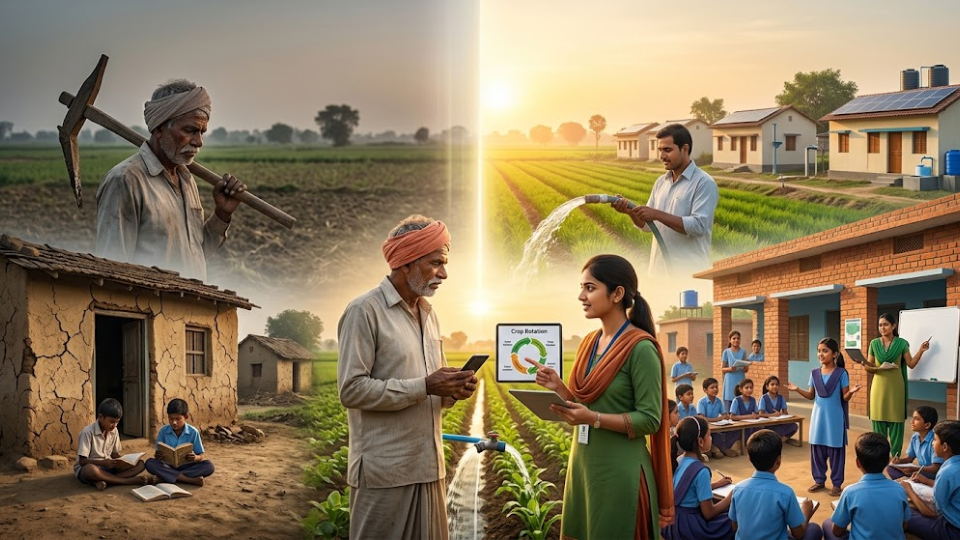
Some children study in smart classrooms with advanced technology, while others sit under broken roofs with limited books and no electricity. Some have access to private tutors, high-speed internet, and digital learning platforms, while others struggle to even attend school regularly.
This inequality creates a painful reality:
📚 Education is available to all, but quality education is not equally accessible to all.
An equal education system means creating a world where every child — regardless of:
- 💰 Financial background
- 🌍 Geographic location
- 👧 Gender
- ♿ Physical ability
- 🗣️ Language
- 🏘️ Social status
has the same opportunity to learn and succeed.
Because education is not merely about classrooms and exams.
Education creates:
- Confidence 🌟
- Independence 🚀
- Awareness 🧠
- Opportunity 💼
- Social progress 🌍
- National development 🏛️
When one child is denied education, society loses potential.
When millions are denied education, humanity loses its future.
🏫 Understanding Educational Inequality
Educational inequality exists when some children receive better learning opportunities than others.
This inequality appears in many forms:
- Poor infrastructure 🏚️
- Lack of trained teachers 👨🏫
- Digital divide 🌐❌
- Gender discrimination ⚠️
- Financial struggles 💰
- Disability barriers ♿
- Language limitations 🗣️
Children from disadvantaged backgrounds often face multiple obstacles at the same time.
📊 The Education Gap
| 🌟 Privileged Education | ⚠️ Underprivileged Education |
|---|---|
| Smart classrooms 🖥️ | Broken classrooms 🏚️ |
| Internet access 🌐 | No connectivity ❌ |
| Modern books 📚 | Outdated materials 📄 |
| Skilled teachers 👨🏫 | Teacher shortages ⚠️ |
| Digital learning 💻 | Limited exposure 🚫 |
| Career guidance 🚀 | Lack of awareness ❌ |
This gap creates unequal futures.
🌍 Why Equal Education Matters
An equal education system is important because education shapes the future of individuals, communities, and nations.
When children receive quality education:
- Poverty decreases 📉
- Employment improves 💼
- Crime rates reduce ⚖️
- Healthcare awareness increases 🏥
- Innovation grows 🚀
- Economies strengthen 💰
- Social harmony improves 🤝
Education is one of the most powerful tools for breaking cycles of poverty and inequality.
🔄 How Education Transforms Society
              📚 QUALITY EDUCATION
                        │
                        ▼
              🧠 Better Knowledge
                        │
                        ▼
               💼 Better Careers
                        │
                        ▼
               💰 Economic Growth
                        │
                        ▼
             🌍 Stronger Society
Education creates opportunities that change entire generations.
👧 Girls’ Education: A Global Priority
Millions of girls worldwide still face barriers to education because of:
- Early marriage 💍
- Poverty 💰
- Social restrictions ⚠️
- Safety concerns 🚫
- Gender discrimination ❌
When girls are denied education, societies lose enormous potential.
Educated girls:
- Build healthier families ❤️
- Earn better incomes 💼
- Raise educated children 👶
- Contribute to economies 🌍
- Strengthen communities 🤝
📊 Impact of Educating Girls
| 👧 Girls’ Education Benefits | 🌟 Social Impact |
|---|---|
| Higher confidence 🚀 | Stronger communities |
| Better employment 💼 | Reduced poverty |
| Health awareness 🏥 | Healthier families |
| Financial independence 💰 | Economic growth |
| Leadership opportunities 👑 | Social equality |
Educating girls transforms nations.
🌐 The Digital Divide in Education
Technology has transformed education dramatically, but not every child has equal access to digital learning.
Many students still lack:
- Smartphones 📱
- Laptops 💻
- Internet access 🌐
- Digital literacy 🧠
This digital divide became especially visible during online learning periods when millions of children struggled to continue education.
📶 Digital Education Access Flow
            🌐 INTERNET ACCESS
                    │
        ┌───────────┼───────────┐
        ▼                       ▼
  💻 Connected Students    ❌ Disconnected Students
        │                       │
        ▼                       ▼
  📚 Better Learning       ⚠️ Educational Gap
Technology should reduce inequality — not increase it.
🧠 The Role of Teachers in Equal Education
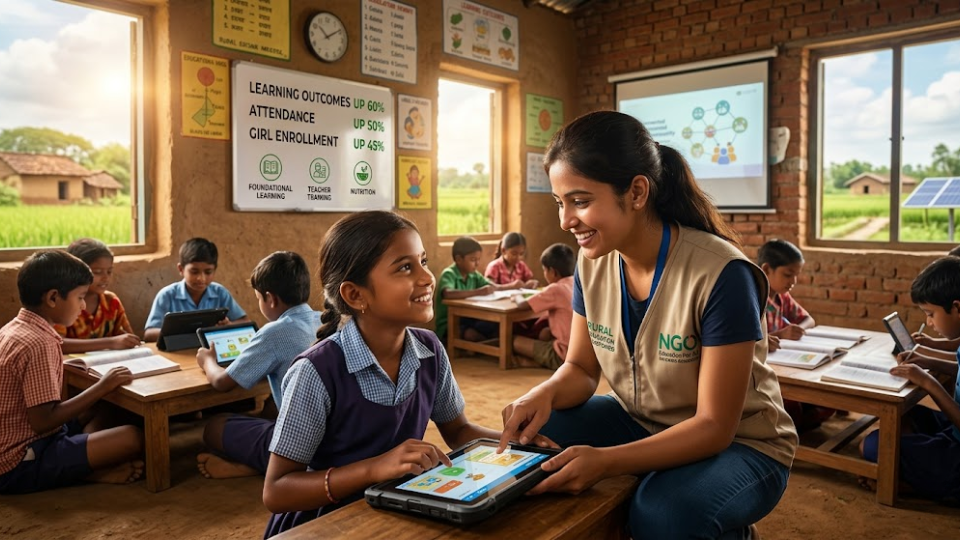
Teachers are the foundation of every education system.
A great teacher can inspire confidence, creativity, and ambition even in the most challenging environments. However, many schools face:
- Teacher shortages ⚠️
- Lack of training 📄
- Poor salaries 💰
- Limited teaching resources 🚫
Supporting teachers is essential for educational equality.
Teachers need:
- Better training 👨🏫
- Digital tools 💻
- Respect & recognition 🌟
- Modern teaching methods 📚
- Emotional support ❤️
Strong teachers build strong students.
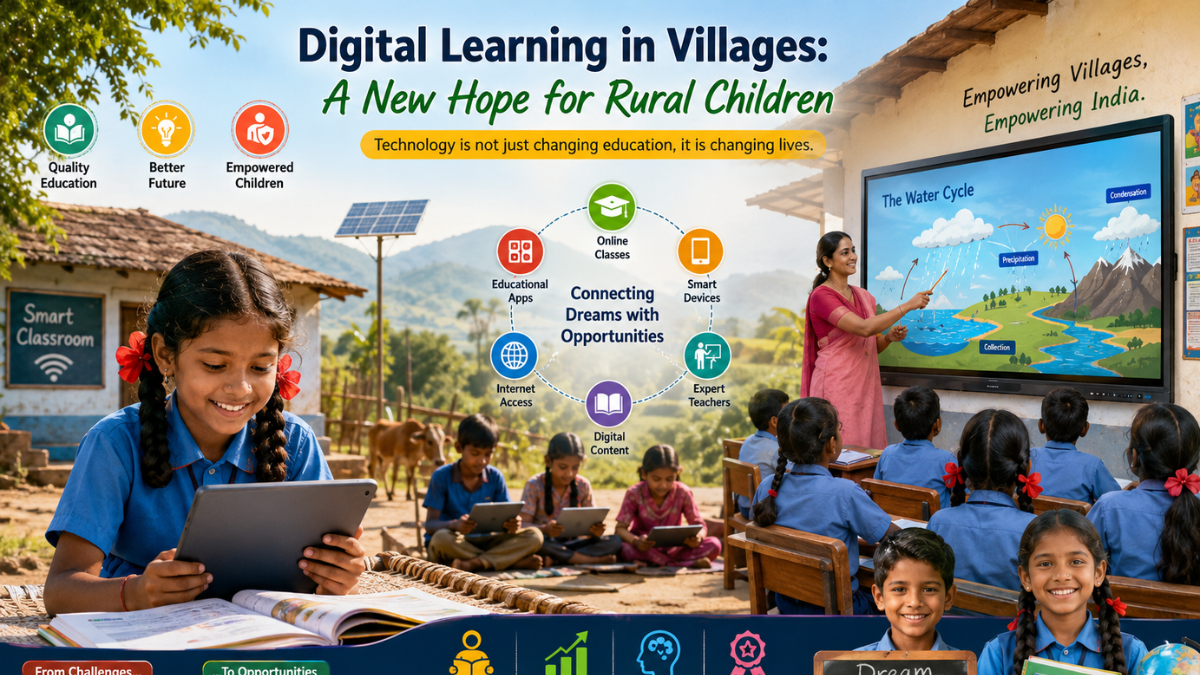
🏡 Rural Education Challenges
Children in rural areas often face unique educational difficulties:
- Long travel distances 🚶
- Limited schools 🏚️
- Weak internet connectivity 🌐❌
- Lack of transportation 🚍
- Financial limitations 💰
Many talented rural children lose opportunities simply because resources are unavailable nearby.
Equal education means ensuring rural children receive the same quality learning opportunities as urban students.
🔵 Circle Diagram: Equal Education Ecosystem
                  📚 EDUCATION
                         ⭕

       ⭕ TEACHERS              ⭕ TECHNOLOGY

       ⭕ STUDENTS              ⭕ PARENTS

             ⭕ GOVERNMENT SUPPORT

                         ⭕
                🌍 EQUAL FUTURE
An equal education system requires everyone working together.
♿ Inclusive Education for Children with Disabilities
Equal education also means inclusive education.
Children with disabilities often face:
- Inaccessible schools 🚫
- Social discrimination ⚠️
- Lack of learning support ❌
- Limited educational tools 📄
An inclusive education system provides:
- Accessible classrooms ♿
- Special learning support ❤️
- Assistive technologies 💻
- Equal participation 🌟
Every child deserves dignity, respect, and opportunity.
📊 Inclusive Education Benefits
| ♿ Inclusive Education | 🌟 Positive Impact |
|---|---|
| Accessible learning 🏫 | Equal opportunity |
| Emotional support ❤️ | Better confidence |
| Social interaction 🤝 | Reduced discrimination |
| Assistive technology 💻 | Improved learning |
| Inclusive classrooms 🌍 | Stronger communities |
Inclusion strengthens society.
🌱 The Power of Early Childhood Education
The foundation of learning begins during early childhood.
Children who receive quality early education develop:
- Better communication 🗣️
- Stronger creativity 🎨
- Emotional intelligence ❤️
- Problem-solving ability 🧠
- Higher confidence 🌟
Yet many children still lack access to preschool education.
Investing in early learning creates long-term social and economic benefits.
📈 Education & National Development
      📚 Equal Education
               │
               ▼
       🧠 Skilled Population
               │
               ▼
        💼 Better Employment
               │
               ▼
        💰 Economic Growth
               │
               ▼
       🌍 Stronger Nation
Countries that invest in equal education create stronger futures.
💡 Technology as a Solution
Technology can play a major role in building educational equality.
Digital platforms can provide:
- Online classes 💻
- Educational apps 📱
- Virtual libraries 📚
- Language learning 🗣️
- Skill development 🚀
With proper internet access and affordable devices, technology can bring world-class education even to remote areas.
❤️ The Emotional Importance of Equal Education
A child denied education often loses:
- Confidence 😔
- Opportunity 🚫
- Self-belief 💔
- Future possibilities ⚠️
But a child given education gains:
- Hope 🌟
- Knowledge 📚
- Independence 🚀
- Dreams 💭
Equal education is not simply a policy issue.
It is a human issue.
Every child deserves the chance to dream without limitations.
🌟 Building an Equal Education System
Creating educational equality requires:
- Better school infrastructure 🏫
- Affordable digital access 🌐
- Teacher training 👨🏫
- Inclusive policies ♿
- Financial support 💰
- Gender equality 👧
- Rural education investment 🌾
Governments, schools, parents, communities, and organizations must work together to create lasting change.
📊 Key Pillars of Equal Education
| 🏛️ Pillar | 🌟 Goal |
|---|---|
| Quality teachers 👨🏫 | Better learning |
| Technology access 💻 | Digital equality |
| Inclusive classrooms ♿ | Equal participation |
| Financial support 💰 | Reduced dropout rates |
| Safe schools 🏫 | Better student well-being |
| Early education 👶 | Strong foundations |
These pillars create stronger educational systems.
🌍 A Future Where No Child Is Left Behind
Imagine a world where:
- Every village has quality schools 🏫
- Every child has internet access 🌐
- Every girl can study safely 👧
- Every disabled child learns equally ♿
- Every student has supportive teachers 👨🏫
- Every dream has a chance 🌟
That future is possible.
But only if societies treat education as a universal right rather than a privilege available only to a few.
🌟 Conclusion
“No Child Should Be Left Behind” is more than a slogan.
It is a responsibility.
An equal education system creates opportunities for every child to learn, grow, and succeed regardless of their background or circumstances. Education has the power to break poverty, reduce inequality, strengthen economies, and transform societies.
The world cannot progress while millions of children remain excluded from quality learning.
Every classroom built, every teacher trained, every digital connection provided, and every child supported brings humanity one step closer to a more equal and compassionate future.
Because when we educate every child equally, we do not simply change individual lives —
✨ We change the future of the world itself.
💬 Final Inspirational Quote
🌍 “A truly developed society is not measured by the success of a few children, but by the opportunity given to every child to succeed.”.