Impact Story
Education is the Most Powerful Weapon to End Rural Poverty Forever
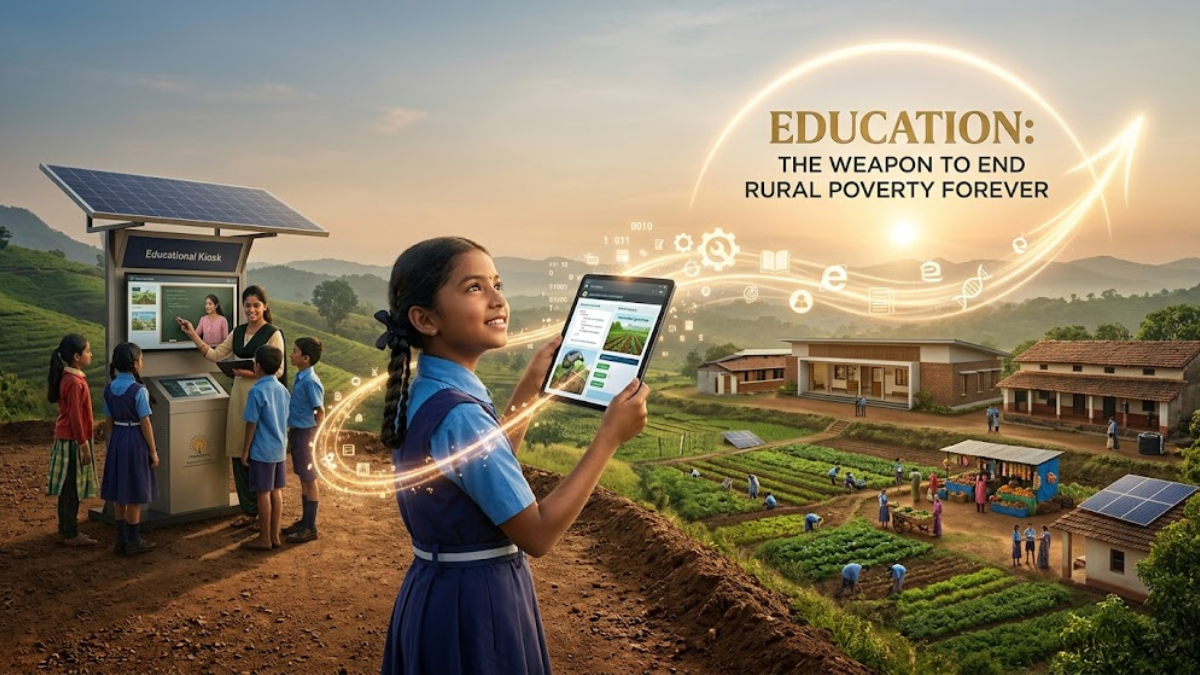
In the quiet corners of the world, far from the noise of bustling cities and rapid technological advancement, rural communities continue to fight a silent battle—poverty. This is not just a lack of money; it is a lack of opportunity, access, and empowerment. For decades, governments, organizations, and individuals have tried countless methods to eradicate rural poverty. Yet, one solution has consistently proven to be the most powerful, sustainable, and transformative force of all: education.
Education is not merely about reading books or passing exams. It is about unlocking human potential, building confidence, fostering innovation, and creating pathways to a better life. When education reaches rural communities, it does not just change individuals—it transforms entire generations.
Understanding Rural Poverty: A Cycle That Needs Breaking
Rural poverty is deeply rooted and often passed from one generation to the next. Limited access to quality education, lack of job opportunities, poor infrastructure, and minimal exposure to modern skills trap families in a cycle that feels impossible to escape.
Children in rural areas often grow up with limited resources. Many are forced to drop out of school early to support their families. Without education, they remain confined to low-paying jobs, and the cycle continues. Poverty, in this sense, is not just economic—it is systemic.
But here’s the truth: education is the key that breaks this cycle permanently.
Education as Empowerment, Not Just Learning
When a child in a rural village gains access to education, something remarkable happens. They begin to see the world differently. Education introduces new ideas, builds critical thinking, and encourages ambition.
An educated individual is more likely to:
- Make informed decisions about health, finance, and career
- Seek better employment opportunities
- Start businesses and contribute to the local economy
- Educate others within their community
Education does not just provide knowledge—it provides power. The power to think, to question, to innovate, and to rise above limitations.
Economic Transformation Through Education
One of the most direct impacts of education is economic growth. When rural populations become educated, they acquire skills that are valuable in modern economies.
1. Skill Development
Education equips individuals with practical and digital skills that open doors to better-paying jobs. From basic literacy to advanced technical knowledge, these skills enable rural youth to compete in wider job markets.
2. Entrepreneurship Growth
Educated individuals are more likely to start small businesses. Whether it’s agriculture innovation, local manufacturing, or digital services, education fuels entrepreneurship in rural areas.
3. Increased Productivity
Farmers and workers who are educated can adopt modern techniques, improve efficiency, and increase productivity, leading to higher income and better living standards.
The Role of Digital Education in Rural Transformation
In today’s world, digital education is revolutionizing how knowledge is delivered. Even in remote villages, smartphones and internet access are opening new doors.
Online learning platforms, virtual classrooms, and educational apps are making it possible for rural students to access the same quality of education as urban learners.
Digital education:
- Eliminates geographical barriers
- Provides access to global knowledge
- Offers skill-based training
- Prepares youth for modern careers
This digital shift is not just an upgrade—it is a game-changer for rural development.
Education and Women Empowerment
One of the most powerful impacts of education is seen in the lives of women. In many rural areas, women face additional challenges such as early marriage, limited freedom, and lack of opportunities.
When a girl is educated:
- She is more likely to delay marriage
- She gains financial independence
- She contributes to household income
- She ensures her children receive education
Educating women creates a ripple effect that uplifts entire families and communities. In fact, empowering one woman through education can transform generations.
Social Change Through Education
Education does not only improve economic conditions—it transforms society itself.
1. Improved Health Awareness
Educated individuals understand hygiene, nutrition, and healthcare better, leading to healthier communities.
2. Reduced Inequality
Education promotes equality by providing equal opportunities regardless of background.
3. Stronger Communities
Educated communities are more aware of their rights, more organized, and more capable of driving change.
Challenges That Still Exist
Despite its power, education in rural areas still faces significant challenges:
- Lack of schools and proper infrastructure
- Shortage of qualified teachers
- Financial constraints
- Cultural barriers and social norms
- Limited access to digital resources
These challenges must be addressed through collective efforts from governments, NGOs, and private sectors.
The Way Forward: Building an Educated Rural Future
To truly eliminate rural poverty, education must become a priority at every level.
1. Invest in Rural Education Infrastructure
Building schools, improving facilities, and ensuring access to quality education is essential.
2. Promote Digital Learning
Affordable internet and devices can bridge the gap between rural and urban education.
3. Skill-Based Training Programs
Education should focus not only on theory but also on practical skills that lead to employment.
4. Community Awareness
Parents and communities must understand the long-term value of education.
5. Public-Private Partnerships
Collaboration between governments and private organizations can accelerate educational development.
Conclusion: Education is the Ultimate Equalizer
Education is not just a solution—it is the foundation of a better future. It has the power to eliminate poverty, create opportunities, and transform societies.
When we educate a child in a rural village, we are not just changing one life—we are shaping the future of an entire community.
Rural poverty may seem like a complex problem, but its solution is clear and proven. Invest in education, and you invest in lasting change.
The real question is not whether education can end rural poverty—it is whether we are ready to make it accessible to every child, everywhere.